Pest control has traditionally been associated with visible treatments, chemical sprays, traps, and emergency responses after an infestation has already become a problem. Today, however, modern pest management is increasingly moving toward a quieter and more strategic approach. Instead of waiting for pests to become obvious, homeowners and property managers can use prevention, monitoring, sanitation, exclusion, and targeted treatments to reduce the conditions that allow infestations to develop. These methods create a concept of Pest Control Port St Lucie that works almost like a silent guardian, operating in the background to protect buildings, belongings, food supplies, and indoor comfort. Rethinking modern pest control means recognizing that effective pest management is not simply about eliminating insects or rodents after they appear; it is about understanding pest behavior, identifying vulnerabilities, and creating an environment where infestations are less likely to occur in the first place.
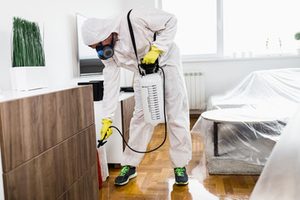
Modern pest control services are becoming more focused on integrated pest management, commonly known as IPM. This approach combines multiple strategies rather than depending exclusively on pesticides. Professionals evaluate the type of pest involved, determine where it is entering or nesting, identify available food and water sources, and assess environmental conditions that may encourage reproduction. Once these factors are understood, treatments can be selected and applied more strategically. This approach can make pest control more precise because it addresses the reasons an infestation exists rather than treating only the visible symptoms. For property owners, this shift can mean fewer unnecessary treatments, better long-term protection, and a more proactive approach to maintaining a pest-free environment.
One of the biggest changes in modern pest management is the emphasis on prevention. Traditional pest control often begins when someone notices ants in a kitchen, rodents in a garage, termites around a structure, or other unwanted pests inside a property. Preventive pest control starts much earlier by looking for vulnerabilities before they become serious problems. Small openings around doors, windows, utility lines, vents, foundations, and roofing systems can provide access points for pests. Moisture accumulation, standing water, poorly stored food, overflowing garbage, and vegetation touching exterior walls can also create attractive conditions. Addressing these issues can make a property significantly less appealing to pests and reduce the likelihood of future infestations.
The idea of prevention is particularly important because pests are highly adaptable. Insects and rodents are constantly searching for food, water, shelter, and suitable conditions for reproduction. A building that unintentionally provides all four can become an attractive habitat. Even excellent sanitation practices may not completely prevent pest activity if structural gaps or moisture problems remain unresolved. This is why professional pest inspections can be valuable. An inspection allows trained technicians to look beyond obvious signs and identify conditions that an average property owner might overlook.
Modern pest control can generally be organized around several important principles:
- Monitor before treating: Regular inspections and monitoring can help identify pest activity early, allowing corrective action before an infestation becomes widespread.
- Prevent access and attraction: Sealing entry points, managing moisture, improving sanitation, and eliminating food sources can reduce the conditions that encourage pests to remain on a property.
Technology is also changing how pest control professionals monitor and respond to pest activity. Digital records, remote monitoring devices, sensors, and other tools can provide useful information about patterns of activity. Instead of relying solely on occasional visual inspections, professionals can sometimes gather information over a longer period and determine where pest activity is concentrated. This can help make treatment decisions more targeted. Technology does not replace professional knowledge, but it can provide additional information that supports more efficient pest management.
Monitoring is particularly useful for detecting pest activity before it becomes obvious. Some pests are difficult to notice during the early stages of an infestation because they remain hidden behind walls, beneath floors, inside structural voids, or in other inaccessible areas. By the time visible evidence appears, the population may already be established. Monitoring tools and routine inspections can help identify warning signs earlier. Early detection is valuable because smaller infestations are often easier to address than large, established populations.
Another important part of modern pest control is understanding that different pests require different strategies. Ants, cockroaches, rodents, termites, mosquitoes, flies, bed bugs, and other pests have distinct behaviors, nesting habits, food sources, and reproductive patterns. A treatment that works effectively for one pest may be inappropriate for another. Professional pest management therefore begins with accurate identification. Determining exactly what pest is present helps technicians select an appropriate control strategy while avoiding unnecessary applications.
Targeted treatment is becoming increasingly important as property owners seek effective pest control with greater attention to environmental responsibility. Rather than applying treatments broadly without first determining where pests are active, technicians can focus their efforts on areas where control is actually needed. Depending on the situation, strategies may include physical exclusion, traps, baits, habitat modification, sanitation improvements, or carefully selected chemical treatments. The objective is to achieve effective control while using the most appropriate method for the circumstances.
Chemical pest control still has an important role in modern pest management, particularly when infestations are established or other methods alone cannot provide adequate control. However, responsible pesticide use involves selecting appropriate products, applying them according to label directions, and using the correct amount in the correct location. More treatment does not necessarily mean better treatment. Excessive or improper application can create unnecessary risks while failing to address the underlying reason pests are present. Professional application can help ensure that chemical treatments are incorporated into a broader pest management strategy rather than used as the only solution.
The connection between building maintenance and pest control is another area that deserves greater attention. Many pest problems are actually symptoms of maintenance issues. Water leaks can create moisture that attracts insects and supports mold growth. Damaged screens can provide access for flying pests. Cracks in foundations and walls can become entry points for insects and rodents. Poorly sealed doors may allow pests to move indoors. Roof and gutter problems can create moisture around exterior areas. Regular property maintenance therefore serves as an important line of defense against pest infestations.
Sanitation also plays a central role in effective pest prevention. Food debris, uncovered food, overflowing waste containers, grease buildup, and improperly stored ingredients can provide reliable food sources for pests. Even small amounts of food can attract insects and rodents when they are left accessible. Maintaining clean preparation areas, storing food in sealed containers, cleaning spills promptly, and managing waste appropriately can reduce these attractants. However, sanitation should be viewed as one component of a comprehensive strategy rather than a complete substitute for professional pest management when an infestation already exists.
Moisture management is equally important. Many pests are attracted to damp environments because water is essential for survival. Plumbing leaks, condensation, clogged drainage systems, poor ventilation, and standing water can create conditions that encourage pest activity. Addressing moisture problems can therefore provide benefits that extend beyond pest control. It can protect building materials, improve indoor air quality, reduce the potential for microbial growth, and make the property less attractive to moisture-dependent pests.
The changing philosophy of pest control also emphasizes education. Homeowners and property managers can play an important role in preventing infestations when they understand what attracts pests and how pests enter buildings. A knowledgeable pest control professional can explain warning signs, recommend maintenance improvements, and provide practical prevention strategies. This creates a partnership between the professional and property owner rather than treating pest control as a one-time service. Education can be particularly valuable because small changes in daily habits may significantly reduce pest pressure over time.
Regular inspections can also provide long-term benefits. Instead of contacting a pest control provider only after seeing a major infestation, property owners can establish routine inspection and monitoring schedules based on the property’s needs and pest risks. Regular service allows professionals to identify developing problems before they become more difficult to manage. The appropriate inspection frequency can depend on factors such as building type, age, construction characteristics, moisture conditions, surrounding vegetation, and previous pest activity. A customized approach is generally more effective than assuming every property requires the same treatment schedule.
Another advantage of proactive pest management is protecting property value. Some pests can cause significant structural or material damage when populations remain uncontrolled. Certain wood-destroying insects can compromise wooden components, while rodents may damage insulation, wiring, stored materials, and other building components. Other pests can contaminate food, create unpleasant odors, damage belongings, or negatively affect the appearance and comfort of a property. Preventing these problems can reduce repair expenses and help preserve the condition of the building.
The concept of the “silent guardian” reflects this preventative philosophy. The best pest control is often the activity that property occupants never notice because it prevents a problem before it becomes disruptive. A sealed entry point, corrected moisture issue, properly maintained landscape, strategically positioned monitoring device, or routine inspection may seem insignificant individually, but together these measures can create a strong defense system. Effective pest management does not always need to be dramatic or highly visible. In many cases, the most successful strategy is one that quietly reduces pest pressure and keeps problems from developing.
Modern pest control is also becoming more focused on long-term results rather than quick fixes. Eliminating visible pests may provide immediate relief, but lasting control requires understanding why they appeared in the first place. If food, moisture, shelter, or access points remain available, pests may return after treatment. A comprehensive pest management plan therefore considers both immediate control and future prevention. This long-term perspective can help property owners avoid repeatedly addressing the same infestation without ever resolving its underlying causes.
Ultimately, rethinking modern pest control means moving away from a reactive mindset and toward a more intelligent, preventive, and integrated approach. Professional pest control services can combine inspection, monitoring, exclusion, sanitation recommendations, habitat modification, and targeted treatments to create a comprehensive defense against unwanted pests. Technology can improve monitoring, while professional expertise helps ensure that control methods are selected according to pest behavior and property conditions. Homeowners and property managers can contribute by maintaining clean, dry, well-sealed environments and responding quickly to warning signs.
Pests may be small, but the problems they create can be significant. From structural damage and contamination to property deterioration and everyday discomfort, uncontrolled pest activity can affect many aspects of a building. Modern pest management offers a better way to approach these challenges by focusing on prevention, early detection, targeted intervention, and ongoing protection. When these strategies work together, pest control becomes less about reacting to infestations and more about quietly preventing them. That is the real role of the modern pest control professional: not simply eliminating pests when they appear, but acting as a silent guardian that helps protect properties before small problems become costly ones.
