Pest control services play an important role in protecting homes, businesses, buildings, and outdoor spaces from insects, rodents, and other unwanted pests. While seeing a single ant, cockroach, spider, mouse, or other pest may seem like a minor inconvenience, visible activity can sometimes indicate that additional pests are hiding nearby. Pest infestations can become increasingly difficult to manage when they are ignored, particularly when pests have access to food, water, shelter, and convenient entry points. Professional pest control provides a systematic approach to identifying pest activity, determining its underlying causes, treating affected areas, and reducing the conditions that allow pests to return. Rather than waiting for an infestation to become overwhelming, property owners can use pest management services as part of a proactive strategy for maintaining a cleaner, safer, and more comfortable environment. Uncover more at https://www.rodentretreattexas.com/roof-rat-removal-texas.
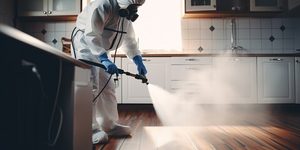
One of the biggest advantages of professional pest control is the ability to identify the specific pest involved and understand its behavior. Different pests require different management strategies because they have unique nesting habits, food sources, reproductive cycles, and preferred environments. An approach that works for one type of insect may have little effect on another, while treating the wrong pest can allow the underlying problem to continue. Experienced pest control technicians inspect the property for visible pests as well as signs such as droppings, nests, damaged materials, feeding activity, entry points, and other evidence. Accurate identification allows pest professionals to develop a more targeted plan instead of relying on a one-size-fits-all treatment.
Pest inspections are often the foundation of an effective pest management program. A thorough inspection can reveal conditions that may not be immediately obvious to property owners. Pests can hide behind walls, beneath flooring, inside cabinets, around plumbing fixtures, in attics, under decks, or within other concealed spaces. Small cracks, gaps around utility lines, damaged screens, poorly sealed doors, and openings around windows can provide convenient access into a building. Moisture problems, standing water, food debris, clutter, and vegetation close to structures can also create favorable conditions. Identifying these contributing factors is important because eliminating visible pests without addressing the conditions attracting them may only provide temporary relief.
Residential pest control services can address a broad range of common household pest problems. Ants may enter through small openings while searching for food, cockroaches can thrive in warm and humid areas, rodents may seek shelter indoors when outdoor conditions change, and other insects may enter through doors, windows, vents, or structural gaps. Some pests can also reproduce rapidly, allowing a small population to become a larger infestation in a relatively short period. Homeowners should pay attention to recurring pest sightings, unusual odors, unexplained damage, droppings, nesting materials, or sounds coming from concealed areas. Early intervention can make pest problems easier to manage and may reduce the need for more extensive treatment.
Commercial pest control is equally important because businesses can face unique pest management challenges. Restaurants, warehouses, offices, retail spaces, storage facilities, and other commercial properties may contain numerous potential food and shelter sources. A pest problem can affect cleanliness, property condition, employee comfort, customer confidence, and day-to-day operations. Regular inspections and preventive pest management can help commercial property owners identify developing problems before they become significant disruptions. A consistent pest control program can also support sanitation efforts and help maintain a professional environment.
Several factors can make a property more attractive to pests:
- Accessible food and waste: Uncovered food, crumbs, improperly stored ingredients, overflowing garbage, and organic debris can provide reliable food sources.
- Moisture and shelter: Leaking pipes, standing water, damp areas, clutter, cracks, wall voids, and other sheltered spaces can create suitable environments for pests to live and reproduce.
Preventive pest control focuses on reducing these conditions before a serious infestation develops. Property owners can help by keeping food stored securely, cleaning spills quickly, maintaining clean waste areas, repairing plumbing leaks, and reducing unnecessary clutter. Exterior maintenance is also important because pests often enter buildings from the outside. Sealing cracks around foundations, repairing damaged screens, maintaining door sweeps, and closing gaps around utility penetrations can make it more difficult for pests to gain access. These measures may seem simple, but they can become an important part of a broader pest prevention strategy.
Integrated pest management is another important concept in modern pest control. Rather than relying entirely on chemical applications, integrated pest management combines inspection, monitoring, sanitation, exclusion, habitat modification, and targeted treatments. The objective is to control pests effectively while using the most appropriate methods for the specific situation. Depending on the type and severity of an infestation, pest professionals may recommend physical barriers, traps, baits, environmental modifications, or carefully selected pest control products. This comprehensive approach can provide more sustainable results because it addresses both current pest activity and the conditions that encourage future activity.
Chemical treatments can still play an important role when necessary. Established infestations may require targeted applications to reduce pest populations and restore control. However, responsible pesticide use requires appropriate product selection, correct application, and careful attention to label instructions. More product does not automatically mean better results. Applying treatments without understanding the pest’s behavior or the source of the infestation may fail to resolve the problem. Professional pest control technicians can determine where treatment is most appropriate and incorporate it into a broader management plan.
Regular pest inspections are especially useful for detecting problems before they become severe. Some pests remain hidden for long periods, meaning that property owners may not notice an infestation until there is significant activity. Routine monitoring can provide an early warning system. Professionals can look for evidence of developing pest populations, inspect common entry points, and identify environmental conditions that may increase pest activity. The appropriate frequency of pest inspections depends on factors such as the property’s construction, history of pest problems, surrounding environment, type of business or household activity, and potential pest pressures.
Seasonal changes can also influence pest activity. Different pests may become more active at different times of the year as temperatures, moisture levels, and food availability change. Some insects may seek shelter indoors during unfavorable conditions, while others may become more active during warmer periods. Rodents and other pests may also search for protected areas when environmental conditions become less favorable outside. Understanding these seasonal patterns allows property owners to prepare in advance. Scheduling preventive pest control services before periods of increased activity can provide an additional layer of protection.
Moisture management deserves particular attention because many pest species are attracted to damp environments. Leaking faucets, damaged plumbing, poor drainage, condensation, clogged gutters, and standing water can contribute to pest activity. Moisture can also damage building materials and create other property maintenance concerns. Addressing leaks and improving drainage can therefore provide benefits beyond pest prevention. Professional pest technicians can identify moisture-related conditions that may be contributing to an infestation and recommend corrective measures where appropriate.
Pest control is also closely connected to property protection. Certain insects can damage wood, insulation, fabrics, stored products, and other materials, while rodents may chew wiring, insulation, packaging, and structural components. Other pests can contaminate food preparation areas or create unpleasant odors and unsanitary conditions. If these problems continue unchecked, repair and cleanup costs can increase. Professional pest management helps reduce these risks by identifying activity early and implementing appropriate control measures.
Another important benefit of pest control services is improved peace of mind. Knowing that a property is being inspected and monitored can reduce the stress associated with unexpected pest sightings. This is especially valuable for households and businesses where cleanliness and comfort are priorities. Instead of repeatedly reacting to individual pest problems, property owners can establish a structured pest management routine. Regular service can help create consistency and make it easier to identify changes in pest activity before they become major concerns.
When choosing pest control services, property owners should consider the technician’s experience, approach to pest management, inspection process, communication, and treatment recommendations. A reliable professional should be willing to explain what pest has been identified, where activity is occurring, what factors may be contributing to the problem, and what steps can help prevent recurrence. Clear communication is important because successful pest management is often a combination of professional treatment and property maintenance. Homeowners and businesses should understand what they can do between service visits to support long-term results.
It is also important to avoid relying exclusively on quick do-it-yourself solutions when an infestation appears persistent or widespread. Household products may provide temporary relief in certain situations, but they may not address hidden nests, entry points, breeding areas, or the underlying conditions supporting the infestation. Improper application of pest control products can also create unnecessary risks. When pest activity continues despite basic preventive measures, professional inspection can provide a clearer understanding of what is happening and what type of intervention may be appropriate.
Long-term pest prevention ultimately depends on consistency. A property that is inspected once and then neglected can become vulnerable again as new entry points develop and environmental conditions change. Regular maintenance, sanitation, monitoring, and timely repairs can significantly strengthen a property’s defenses. Pest control should therefore be considered an ongoing part of responsible property maintenance rather than a service reserved exclusively for emergencies. A proactive strategy can help identify problems sooner and reduce the likelihood of severe infestations.
Professional pest control services can also be tailored to the needs of individual properties. A small residential property may require a different approach from a large commercial building, and a property with a history of recurring pest activity may need more frequent monitoring than one with minimal risk. Customized service allows pest professionals to focus on the areas and conditions most relevant to the property. This can improve efficiency while ensuring that pest management efforts are directed toward the actual source of the problem.
Ultimately, effective pest control is about much more than eliminating insects or rodents that happen to be visible. It involves understanding pest behavior, identifying entry points, correcting environmental conditions, monitoring activity, and applying appropriate treatments when necessary. A comprehensive pest management strategy can protect property, support sanitation, improve comfort, and reduce the possibility of recurring infestations. By combining professional pest control services with good housekeeping, proper maintenance, moisture management, and preventive measures, property owners can create an environment that is less attractive to unwanted pests.
Pest problems rarely disappear simply because they are ignored. Small signs can develop into larger infestations when pests have continued access to food, water, shelter, and entry points. Taking action early gives property owners a better opportunity to regain control before damage and disruption increase. Whether the goal is eliminating an existing infestation or preventing future pest activity, professional pest control services provide a structured and knowledgeable approach. With regular inspections, targeted treatments, preventive maintenance, and ongoing monitoring, pest management can become an important part of protecting a property and maintaining a healthier, more comfortable environment over the long term.
