Concrete is one of the most important materials used in commercial construction, providing the strength, stability, durability, and versatility required for a wide range of building projects. From foundations and structural components to floors, parking areas, loading zones, sidewalks, and exterior surfaces, concrete plays a central role in creating commercial properties that can withstand demanding conditions. Because commercial buildings often experience heavier traffic, greater structural loads, and more intensive daily use than residential properties, choosing the right Concrete Franklin TN construction approach is essential for long-term performance. Proper material selection, site preparation, reinforcement, placement, finishing, and curing all contribute to the quality and reliability of a finished concrete structure.
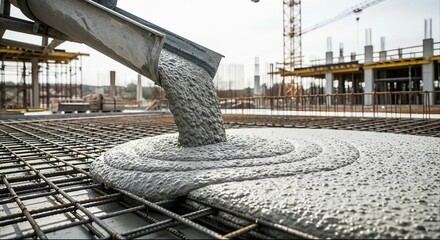
The popularity of concrete for commercial construction comes from its combination of strength and adaptability. When properly designed and installed, concrete can support substantial loads while resisting weather exposure, abrasion, moisture, and everyday wear. Commercial properties may need to accommodate employees, customers, equipment, inventory, vehicles, and heavy machinery, making structural reliability a major consideration during planning. Concrete can be engineered for different strength requirements and applications, allowing contractors and project planners to select mixtures and reinforcement systems based on the specific demands of a project. This flexibility makes concrete suitable for everything from relatively simple slabs to highly engineered structural applications.
One of the most important applications for concrete in commercial construction is the building foundation. A strong foundation distributes structural loads and provides a stable base for the rest of the building. Foundation construction requires careful planning because soil conditions, drainage, structural loads, building design, and environmental factors can all influence the appropriate concrete system. Before concrete is poured, the construction area generally needs to be properly excavated, graded, compacted, and prepared. Any deficiencies in site preparation can affect the performance of the concrete later, which is why experienced construction professionals place significant emphasis on preparing the base correctly.
Commercial concrete slabs are another common application. Large commercial buildings often require substantial floor areas that can withstand continuous foot traffic, equipment, shelving systems, carts, vehicles, and other loads. A properly designed concrete slab provides a durable and relatively low-maintenance surface for these demanding environments. The thickness of the slab, concrete strength, reinforcement, joint layout, subgrade preparation, and expected loads all need to be considered during design. A slab intended for light pedestrian activity may have very different requirements from one designed to support heavy equipment or vehicle traffic.
Reinforcement is an important part of many commercial concrete construction projects. Concrete performs exceptionally well under compression but has lower tensile strength, so reinforcement can be incorporated to help manage tensile stresses and control cracking. Steel reinforcement, welded wire reinforcement, and other reinforcing systems may be used depending on the structural requirements of the project. Proper reinforcement placement is critical because reinforcing materials need to be positioned according to the engineering design. Reinforcement that is improperly spaced, incorrectly positioned, or inadequately supported can reduce the effectiveness of the intended structural system.
Several factors should be evaluated when planning concrete for a commercial construction project:
- Expected loads and usage: The concrete design should account for the weight and activity the surface or structure will experience, including people, vehicles, equipment, storage systems, and other loads.
- Environmental conditions: Exposure to moisture, temperature changes, chemicals, freeze-thaw conditions, abrasion, or other environmental stresses can influence concrete mixture selection and construction methods.
The concrete mixture itself also has a major impact on performance. Concrete is generally composed of cementitious material, water, aggregates, and, when appropriate, chemical or mineral admixtures. Adjusting the proportions and characteristics of these materials can influence strength, workability, setting time, durability, and other performance properties. Commercial construction projects often have specific concrete specifications based on structural requirements and project conditions. Selecting an appropriate mixture can help ensure that the finished material performs as intended throughout its service life.
Concrete strength is frequently discussed in terms of compressive strength, which indicates how much compressive pressure a properly cured concrete specimen can withstand under standardized testing. However, strength is only one consideration when selecting concrete for commercial construction. Workability, durability, permeability, shrinkage characteristics, curing requirements, and environmental exposure can also affect long-term performance. A mixture that achieves the required strength but is poorly suited to the project’s environmental conditions may not provide the desired level of durability. For this reason, concrete specifications should consider the complete performance requirements rather than focusing on a single property.
Proper placement is equally important. Even high-quality concrete can develop problems if it is improperly placed, consolidated, or finished. During placement, concrete needs to be distributed effectively within the forms and around reinforcement while minimizing the risk of segregation or excessive voids. Consolidation helps remove trapped air and improves contact between the concrete and reinforcement. Once the concrete has been placed and consolidated, the surface can be finished according to the intended application. Commercial concrete floors, for example, may require a specific finish to provide the appropriate combination of appearance, traction, durability, and ease of maintenance.
Curing is another critical stage in commercial concrete construction. After placement, concrete needs appropriate conditions to allow hydration and strength development. If concrete loses moisture too quickly or experiences unsuitable temperature conditions during early curing, its performance may be negatively affected. Proper curing helps concrete develop its intended strength and durability while reducing certain risks associated with premature drying and shrinkage. Depending on project requirements and environmental conditions, curing may involve maintaining moisture, controlling temperature, applying curing compounds, or using other approved techniques.
Joint design is also an important consideration for large commercial concrete surfaces. Concrete naturally experiences changes related to drying shrinkage and temperature variations. Joints can be incorporated into slabs and other concrete elements to help manage these movements in a controlled manner. Proper joint placement and timing can reduce the likelihood of random cracking and help maintain the functionality of the finished surface. Joint design should be coordinated with the overall structural and architectural requirements of the project rather than treated as an afterthought.
Commercial parking areas and vehicle-access surfaces frequently depend on durable concrete construction. These areas can experience repeated loading from cars, delivery vehicles, service vehicles, and other traffic. The pavement system must therefore be designed around expected traffic levels, soil conditions, drainage requirements, and environmental exposure. Proper grading and drainage are particularly important because standing water can contribute to deterioration over time. A well-designed concrete pavement system can provide a long-lasting surface while supporting the operational requirements of a commercial property.
Loading docks and industrial areas may require even greater attention to concrete performance. These spaces can be exposed to heavy vehicles, concentrated loads, equipment movement, impacts, and frequent turning forces. Concrete used in these applications may require specialized design considerations to accommodate demanding operating conditions. Surface finishing, reinforcement, joint placement, slab thickness, and concrete strength all need to be evaluated according to the expected use. Proper design at the beginning of a project can help reduce premature deterioration and minimize future disruption to commercial operations.
Durability is one of the primary reasons businesses and developers choose concrete for commercial construction. Commercial properties are often expected to remain functional for many years, and replacing major structural or pavement components can be expensive and disruptive. Durable concrete construction can help reduce the frequency of major repairs when the material is appropriately specified, installed, and maintained. However, durability should not be viewed as an automatic characteristic of every concrete installation. Performance depends on material quality, design, workmanship, curing, environmental exposure, drainage, maintenance, and the specific conditions under which the concrete will be used.
Concrete can also contribute to efficient commercial construction when projects are carefully planned. Contractors need to coordinate concrete deliveries, formwork, reinforcement installation, pumping or placement equipment, finishing crews, testing, and curing procedures. Poor scheduling can result in delays because concrete placement often involves time-sensitive operations. Weather conditions, site accessibility, labor availability, and the size of each pour can also affect the construction schedule. Detailed planning allows different trades and construction activities to be coordinated more effectively, reducing unnecessary interruptions and helping the project move forward efficiently.
Quality control is another essential component of commercial concrete construction. Testing and inspection procedures can help verify that materials and construction practices meet the project’s specifications. Depending on the project, quality control may involve checking concrete temperature and workability, preparing test specimens, evaluating compressive strength, inspecting reinforcement, and reviewing placement procedures. Consistent quality control provides valuable information about whether the concrete installation is meeting the intended performance requirements and can help identify potential issues before they become more difficult or expensive to correct.
Maintenance should also be considered when planning commercial concrete. Although concrete is durable, it is not completely maintenance-free. Cracks, joint deterioration, surface damage, drainage problems, and other issues should be addressed when they are identified. Keeping surfaces clean, maintaining drainage systems, monitoring joints, and repairing localized damage can help protect the investment in commercial concrete infrastructure. Preventive maintenance is often more manageable than waiting until minor deterioration develops into a larger structural or functional problem.
Another advantage of concrete is its design versatility. Commercial properties can use concrete for structural applications as well as architectural and decorative purposes. Different textures, finishes, colors, patterns, and surface treatments can provide functional and visual benefits when appropriate for the project. Concrete sidewalks, entrances, courtyards, interior floors, and other visible areas can be designed to complement the overall appearance of a commercial property while maintaining the durability expected from the material. This combination of structural capability and design flexibility makes concrete useful across many areas of commercial development.
Ultimately, successful commercial concrete construction depends on much more than simply pouring concrete into a prepared area. The process requires thoughtful planning, suitable materials, accurate structural design, proper site preparation, appropriate reinforcement, skilled placement, effective finishing, and adequate curing. Each stage influences the performance of the final product, and mistakes made early in the process can become increasingly difficult to correct later. Working with qualified construction professionals and following established engineering and construction specifications can help ensure that concrete elements meet the demands of their intended applications.
Concrete remains a foundational material for commercial construction because it offers an effective balance of strength, durability, versatility, and long-term performance. Whether it is used for foundations, floors, structural components, parking areas, loading zones, walkways, or other commercial applications, properly designed and installed concrete can provide dependable infrastructure for years. By considering factors such as structural loads, environmental exposure, reinforcement, mixture design, drainage, curing, joint placement, quality control, and maintenance, construction teams can achieve stronger and more reliable results. Investing in proper concrete construction from the beginning can ultimately support safer facilities, lower maintenance demands, and better long-term value for commercial properties.
